


The Ease of Reposting Stories: A Modern Social Media Phenomenon
In today’s digital age, sharing content has become an integral part of our online experience. With platforms like Instagram, Facebook, and Snapchat embracing the story format, users have found a new way to engage with their followers. Stories are easier to repost when you are tagged, turning collective experiences into a seamless sharing process. This article will explore why stories are becoming the preferred medium for reposting and how they transform user engagement on social media.
The Rise of Social Media Stories
Since the inception of social media, the ways in which we communicate and share moments have evolved significantly. The introduction of stories by Snapchat in 2013 revolutionized the way people consumed content. Instead of scrolling through endless feeds, users could now engage with a channel of fleeting visual stories that felt more immediate and authentic. This format allows users to share moments that disappear after 24 hours, making them more spontaneous and less curated than traditional posts.
The Simplicity of Reposting Stories
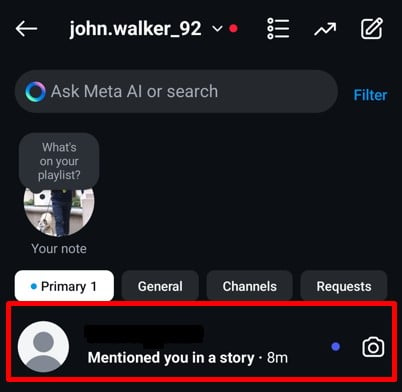
One of the most appealing aspects of stories is how easy they are to repost, especially when users tag one another. When you’re tagged in someone’s story, a simple tap allows you to share that content directly to your own audience. This seamless transition encourages users to engage more because it facilitates a quick and effortless connection between different profiles.
Unlike regular posts, where users must download images or screenshots and then upload them to their profiles, stories streamline this process, creating a fluid environment for sharing. This ease of reposting fosters a more interconnected community, allowing individuals to engage with one another’s content without the barriers typically associated with sharing.
Impact on Engagement and Community
The ease of reposting stories has a considerable impact on community engagement. When users see that their friends or influencers are sharing content, it encourages them to interact, whether through likes, comments, or sharing further. This creates a ripple effect, where a single story can reach a broader audience as it gets circulated among various profiles.
Engagement rates for stories tend to be higher than for regular posts. Viewers are more likely to interact with or respond to stories, especially those in which they are tagged. This increased interaction stimulates real-time discussions and connections among users, strengthening the community bond on social platforms.
The Importance of Tagging in Stories
Tagging is essential in the phenomenon of reposting. When you tag individuals or brands in your stories, you not only increase the visibility of your content but also provide an invitation for them to share it with their audience. This tactic expands the reach of your stories and enhances the likelihood of reposting.
It fosters collaboration and relationship-building in the digital space. For brands, tagging influencers or other businesses can help in co-marketing efforts, leading to greater brand

awareness and audience expansion. For individuals, it strengthens personal connections, allowing friends and followers to share moments and amplify each other’s voices.
Best Practices for Reposting Stories
To make the most out of reposting stories, users can follow several best practices:
- Always Tag People: When you share someone else’s story, make sure to tag them. This not only gives credit to the original creator but also encourages them to repost it.
- Be Authentic: When reposting, consider sharing only content that resonates with your brand or personal style. Authenticity is key in building trust with your audience.
- Engage with Your Audience: Encourage your followers to share their stories by tagging you. This creates a loop of engagement and strengthens community ties.
- Use Relevant Hashtags: If you repost a story, adding relevant hashtags can help increase its visibility and attract more viewers.
Potential Drawbacks
While stories simplify the process of sharing, there are potential drawbacks to consider. For one, the fleeting nature of stories can lead to a lack of context. Users may not always understand the full story behind what is being shared, which can lead to misunderstandings or misinterpretations.
Additionally, the pressure to keep up with constantly changing content can be overwhelming for some users. The ephemeral quality of stories might lead to anxiety about consistently creating fresh content, which can detract from the fun of sharing experiences.
The Future of Stories and Reposting
As social media continues to evolve, the story format and the ease of reposting are likely to play an even more significant role in user engagement. New features and tools that enhance the sharing experience will likely emerge, offering users more opportunities to connect and collaborate.
In conclusion, the rise of stories as a predominant format in social media is reshaping how we engage with one another online. Their inherent design, which facilitates tagging and reposting, encourages greater interaction, collaboration, and community building. For users and brands alike, mastering the art of storytelling and reposting is essential for thriving in this dynamic digital landscape.